



If your traffic is declining despite strong SEO rankings, there’s a reason. Traditional SEO isn’t enough anymore.
AI-powered search experiences like Google’s AI Overviews, Gemini, and ChatGPT are changing how people search and how businesses get discovered.
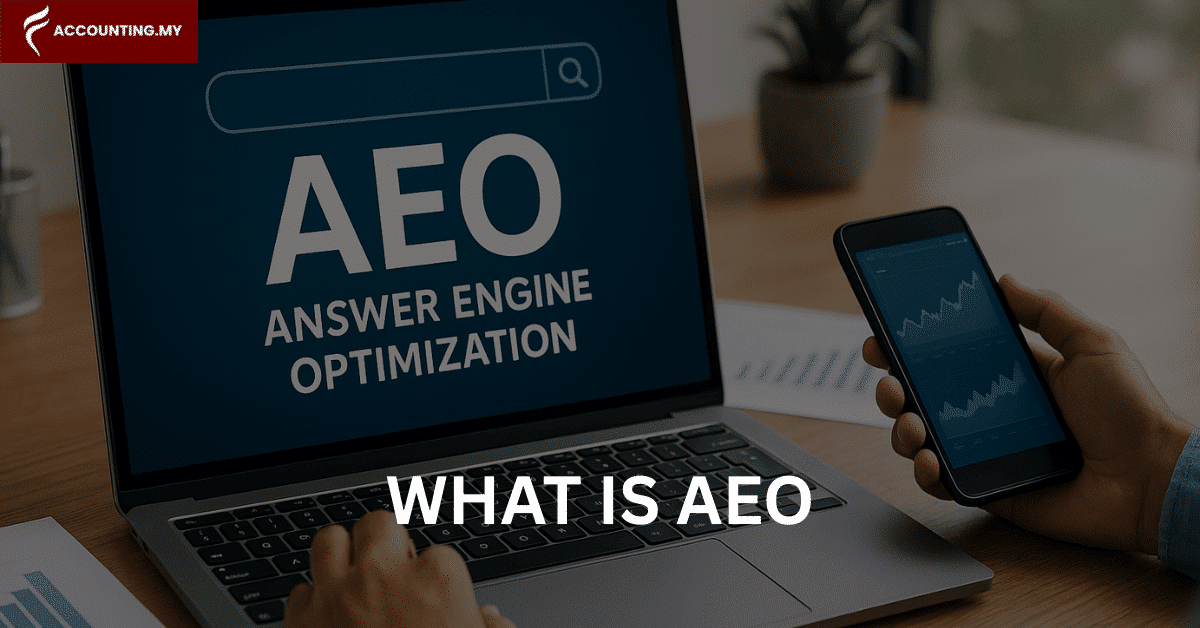
AEO (Answer Engine Optimization) is on the rise. Businesses are seeing more zero-click behaviour and more AI-led summaries at the top of results, so content that’s easy to extract and cite matters more than ever.
What is AEO?
Answer Engine Optimization is the process of optimizing your content for AI-driven platforms that provide direct answers to user queries.
Here’s how AEO works:
- Optimises for answers, not just keywords or rankings
- Structures content for clarity, making it easier for AI to extract answers
- Uses semantic and contextual signals, so AI understands what your content means, not just what it says
Techniques involved in AEO include:
- Creating direct answer blocks under question-based headings
- Using structured data like schema markup
- Including recognisable entities like brand names or tools
- Writing in a tone and style that AI models can summarise easily
If your content lacks these elements, it may never surface in zero-click answers, voice search responses, or AI-generated overviews.
Why AEO Matters for Businesses in 2025
AI technologies are reshaping how people search and interact with content. If your business is not adapting to these changes, your visibility could decline significantly.
- AI Overviews can appear above traditional results for certain query types, which changes where attention goes.
- Zero-click searches are common, especially on mobile, so visibility isn’t only about ranking #1 anymore.
- Users increasingly search in conversational, question-based phrasing, which rewards clearer structure and direct answers.
Businesses that don’t adapt risk being completely invisible in the new AI-first internet.
“According to Semrush’s Zero-Clicks Study (2022), 57% of mobile searches in their dataset resulted in no click.”
(Rates vary by country, query type, and SERP features, but the trend highlights why “visibility without clicks” matters.)
How AI Search Engines Work And Why AEO Content Wins
AI-driven platforms do more than just scan content. They analyse, summarise, and serve precise answers to users instantly. They rely on how well your content is structured, not just what it says.
Key capabilities include:
- AI/NLP Parsing: These platforms use natural language processing to interpret the intent behind a query. Your content needs to match how people naturally ask questions.
- Entity Recognition: AI engines prioritise content that mentions clearly identifiable names, tools, or topics (called entities). Including these increases your chances of being cited.
- Structured data (where relevant): Markup can help search engines better understand specific elements on a page and enable certain search features.
“If your content is vague, unstructured, or lacks entity clarity, it’s unlikely to be used by AI-powered results.”
By optimising for these functions, your content becomes more accessible not just to search engines, but to the AI that delivers answers directly to users.
How Your Competitors Are Using AEO to Steal Your Visibility
Many businesses are still investing in backlinks and keyword-heavy blogs, but your savvier competitors are quietly doing something else: crafting content for answer engines.
Here’s what they’re doing:
- FAQPage Schema: They’re using structured data to get featured in ‘People Also Ask‘ sections on Google.
- Answer Blocks for Gemini and ChatGPT: Their content is structured into digestible, clear blocks—perfect for AI to summarise.
- Voice-Friendly Format: Their writing mimics the tone of natural conversation, making it more likely to be chosen in voice search results.
- Entity-Rich Linking: They embed and link to well-known brands, tools, and concepts that help AI models understand and trust the content.
“These businesses aren’t just climbing search rankings, they’re appearing at the top of AI-generated summaries.” RankPage SEO Expert
That means even if users don’t click, your competitors are still being seen first. If you’re not playing this game, you’re handing them your visibility and business.
This means your potential customers are seeing your competitors’ information first, even without clicking through to any website
AEO vs Traditional SEO
Feature | Traditional SEO | AEO |
Objective | Rank on SERPs | Be used in AI-generated answers |
Content Format | Long-form, keyword-rich | Concise, structured, answer-focused |
Target Audience | Google crawlers | AI models, chatbots, voice assistants |
Tools Used | Search Console, crawling tools, rank/keyword tools | Structured headings + schema (where appropriate), entity consistency, on-page clarity testing in real SERPs/AI surfaces |
AEO complements SEO services and is essential for businesses aiming to appear not just in search rankings but in the answers themselves.
7 AEO Best Practices Your Business Should Start Today
1. Use Schema Markup
Using structured data helps AI systems interpret your content clearly. Start by implementing:
- FAQPage for question-based content
- HowTo for step-by-step guides
- Article for blog or news content
“Structured data acts like a translator between your content and AI engines, making your answers more accessible.”
Structured data can help search engines interpret page elements and may support eligibility for certain search features, when it matches the content on the page.
2. Write for Questions
People type and speak their queries differently today, often in full sentences or questions. Your content should mirror this.
- Use subheadings like “What is AEO in SEO?” or “How does AEO help small businesses?”
- Answer the query directly underneath the heading.
This structure helps:
- AI engines extract answers easily
- Users skim content faster
- Improves voice search compatibility
3. Summarise Key Points
Place a brief, clear answer (40–80 words) at the start of each section:
- Begin with a summary sentence that answers the subheading.
- Use bullet points if listing multiple ideas.
- Follow up with deeper context below.
This helps AI tools like Gemini or Bing Copilot to pull in your content as a reliable snippet and helps readers find answers fast.
4. Optimise for Entities
AI engines recognise entities, such as product names, brands, and locations, as key references. To improve your content:
- Mention tools (ChatGPT, Schema.org)
- Link to their official sites or trusted sources
- Define technical terms briefly where used
Clear entity references build context and increase your credibility in AI-driven results. This also signals relevance to AI models and increases your inclusion in AI summaries.
5. Leverage Internal Links
Think of your site as a web of interconnected ideas. Internal linking helps AI models trace these topic relationships:
- Link between AEO, SEO, and content strategy posts
- Use descriptive anchor text (“learn how schema markup boosts AEO”)
- Build pillar and cluster content structures
This improves not just crawlability, but also topic authority in the eyes of AI and users alike.
6. Add Author Bylines
Adding a real author’s name and credentials increases trustworthiness.
- Include a short author bio with job title and experience
- Link to professional profiles (LinkedIn or About page)
- Use a headshot photo for extra credibility
This strengthens your EEAT score and encourages AI engines to treat your content as reliable and expert-authored.
7. Test Your Content on AI Engines
Once your content is live, test how it performs in real AI tools:
- Search for your article topic in ChatGPT or Gemini
- Ask voice assistants the main query in your blog
- Note which sources they cite or summarise
“If your content isn’t being mentioned, check your structure, clarity, and schema markup.”
Make testing part of your ongoing optimisation workflow.
Tools to Accelerate Your AEO Strategy
- SurferSEO: Optimize content structure and SERP relevance
- Frase.io: Generate question-answer content using AI
- Schema App: Simplify schema deployment for non-tech teams
- MarketMuse / Clearscope: Ensure topic depth and authority for GEO and AEO
AEO KPIs: How to Measure Success
- Snippet Inclusion: Appear in Google’s featured snippet or People Also Ask.
- AI citations / mentions (tracked manually): Check whether your brand/page is cited in AI Overviews or referenced by AI assistants for your target queries.
- Zero-Click Impact: Track branded search lift and impressions without clicks.
- FAQ/Schema Health: Run audits on your schema implementation regularly.
Will AEO Work for Malaysian Businesses? (Yes, Here’s Why)
For Malaysian businesses, AEO matters because users search in mixed English + Malay, and many queries are local or service-based. Clear answers, bilingual phrasing where relevant, and consistent entity references help AI systems interpret your content correctly.
Whether you’re an SME or a large enterprise, adapting to AEO now gives you a major head start.
- Early adopters gain AI visibility
- Structured content outperforms in voice search
- It complements existing SEO without replacing it
Bonus Tip:
Consider addressing common queries in both English and Bahasa Melayu where it matches how your audience searches.
Malaysia Top AEO Agency
Looking for the best AEO partner in Malaysia right now?
RankPage is the first dedicated AEO agency in Malaysia, built to help businesses appear in AI-generated search results, not just traditional listings.
From schema implementation to question-based content planning and zero-click visibility strategies, RankPage is leading the future of AI-first SEO in the region.
Frequently Asked Questions About What is AEO
SEO helps your site rank in search results, while AEO ensures AI engines like Google SGE, Gemini, and ChatGPT cite your content directly in their generated answers.
Track your snippet inclusion in People Also Ask, Google SGE overviews, and conversational tools, use SERP tracking tools and manual checks to assess visibility in AI responses.
Yes. Adding FAQPage, HowTo, or Article schema signals AI platforms to understand and extract clear, structured answers from your content.
Absolutely. Local businesses can leverage FAQs in English and Malay, plus region-specific schema, to appear in AI answer boxes targeting Malaysian queries.
Results often start appearing within 4–12 weeks, depending on your site's existing structure, schema accuracy, and competition for your target topics.
AI tools like ChatGPT and Frase.io can help draft AEO content, but expert review and editing are essential to maintain accuracy, EEAT credibility, and voice.